In a Colorado personal injury case, evidence is what helps tell the story of what happened, how the injury occurred, and what losses followed. Whether the case involves a car crash, slip and fall, or another negligence claim, strong evidence can make the difference between a disputed claim and a clearer picture of liability and damages. Colorado follows a comparative negligence rule, which means evidence can also affect whether an injured person’s compensation is reduced if they are found partly at fault.
Most Common Crash Evidence
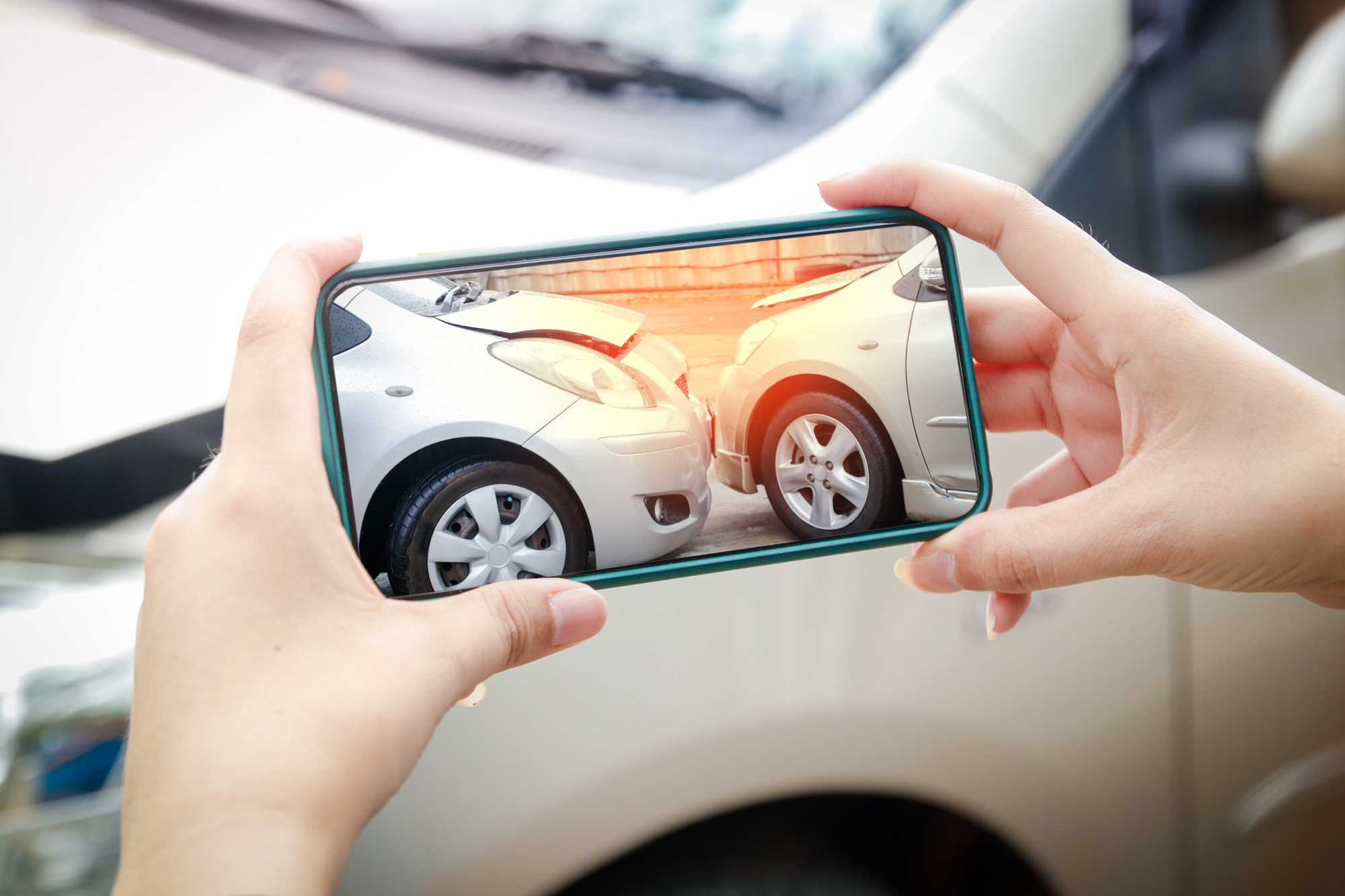
One of the most common forms of evidence is photographs and video. Pictures taken at the scene can document vehicle damage, dangerous property conditions, weather, road debris, bruising, cuts, or other visible injuries. Video may come from surveillance systems, nearby businesses, home security cameras, or dash cams. In traffic collisions, dash cam footage can be especially useful because it may capture how the crash happened in real time, including lane changes, traffic signals, speed, or driver behavior immediately before impact.
Even when a photo or video does not tell the whole story, it can help preserve details that might disappear quickly after an incident. For evidence like photos and recordings to be useful in court, it generally must be relevant and properly authenticated.
Medical records are another major category of evidence. These records may show the nature of the injury, when treatment began, what symptoms were reported, what diagnoses were made, and what treatment was recommended. They can also help connect the injury to the incident rather than to a preexisting condition or later event. Records from emergency rooms, urgent care visits, primary care physicians, physical therapists, imaging providers, and specialists may all become important. Bills, treatment plans, and prognosis records may also be used to help show the financial and physical impact of the injury.
Witness statements can also play an important role. A neutral eyewitness may be able to describe what they saw before, during, and after a crash. In some cases, passengers, bystanders, store employees, or first responders may provide important observations. Their statements may support or challenge the parties’ versions of events, especially where liability is disputed. Over time, memories can fade, so witness information gathered early is often more useful than statements collected much later.
Evidence in Vehicle Cases
In vehicle collision cases, phone data and electronic records may also become relevant. For example, if distracted driving is suspected, records may help show whether a driver was using a phone around the time of the crash. Depending on the circumstances, other electronic data may include vehicle event data, GPS information, or app-based driving records. This type of evidence is not present in every case, but when it exists, it can be important in reconstructing what happened.
Other evidence may include police reports, incident reports, repair estimates, employment records, and proof of lost wages. In the end, personal injury cases are often built from many pieces rather than one dramatic document. The stronger and more consistent the evidence, the easier it is to evaluate fault, injuries, and damages under Colorado law.